A week after a six-year-old boy in Newport News, Virginia, stole a gun from his house, carried it to school, and shot his teacher, residents and authorities are still trying to figure out how the child obtained access to a loaded rifle.
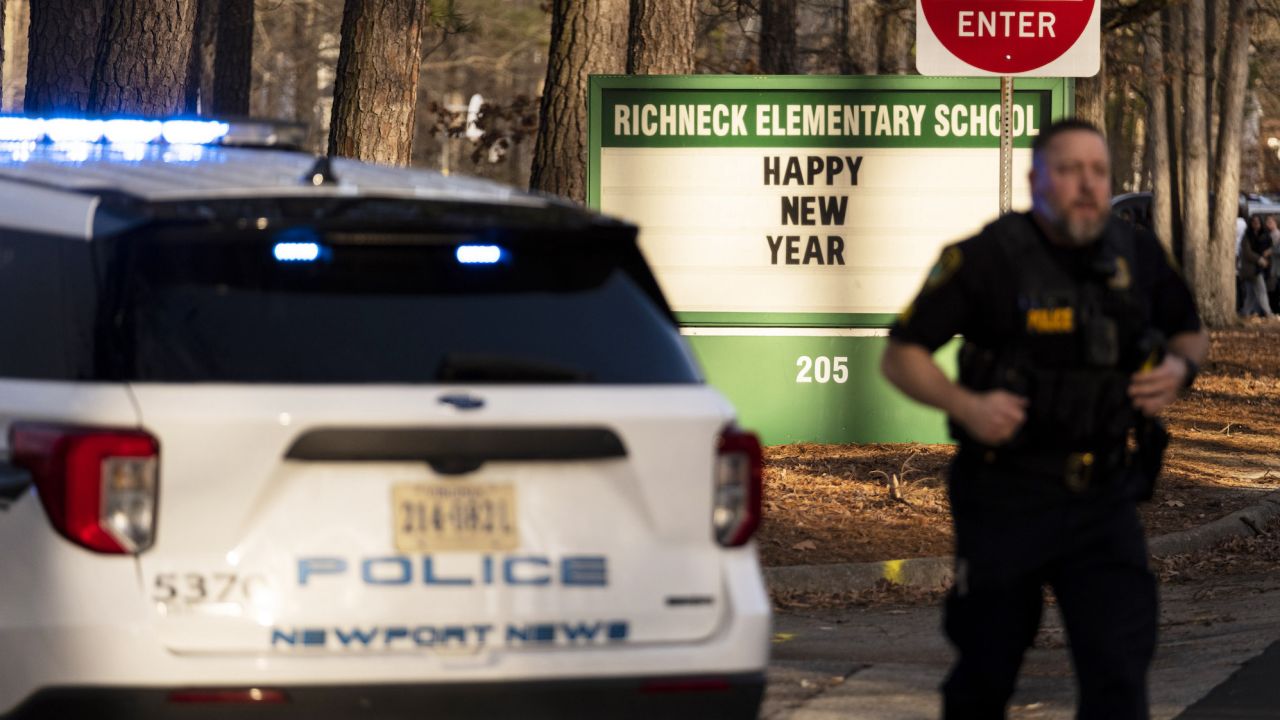
Newport News Mayor Phillip Jones told CNN that the city must address a number of issues, including "how a 6-year-old was able to carry a pistol (and) know how to use it in such a premeditated fashion... The guilty parties will answer for their actions. I can guarantee that.
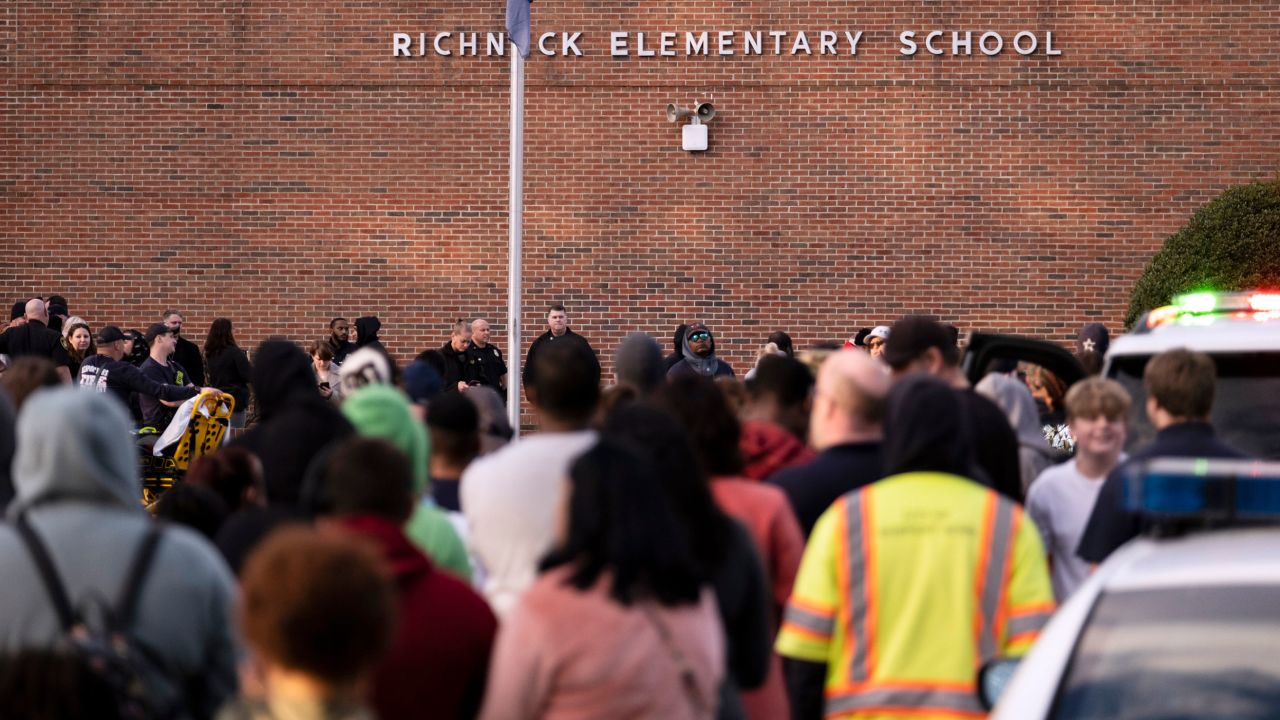
Police are looking for explanations as they look into the circumstances leading up to the incident on January 6 at Richneck Elementary school, which left a 25-year-old elementary school teacher named Abigail Zwerner wounded. According to the city's police chief, Steve Drew, Zwerner has been listed in stable condition since Saturday despite the fact that her injuries were previously considered life-threatening.
The youngster, who was taken into custody right away after the shooting, was being checked at a hospital and was subject to a temporary detention order, according to police on Monday. The mother of the child, who may be charged at the conclusion of the investigation, legally acquired the gun that was reportedly used in the incident, according to Drew.
According to a CNN analysis, it was the first shooting at a US school in 2023, highlighting the urgent need for tighter, more uniform legislation nationally requiring adults to safely store their firearms out of the reach of children and anyone who are not permitted to use them. It also demonstrates a lack of public education regarding gun owners' obligations to store their weapons securely stored away from ammo, according to the experts.
According to a paper published on Tuesday by the RAND Corporation, a public policy research group, evidence reveals that secure storage and child access restriction legislation are helpful in lowering shootings among youth. The research urges states lacking such legislation to take them into consideration in order to lower the number of juvenile suicides, homicides, and unintentional injuries and fatalities involving firearms.
According to Cassandra Crifasi, a professor at the Johns Hopkins Bloomberg School of Public Health who researches the impact of gun laws, "unsecured firearms in homes and cars are feeding our much bigger and much more prevalent gun violence epidemic in the US."
In addition to keeping yourself and your family members safe at home, she advised, "it's vital to frame the issue as making sure that the firearms you possess don't fall into the hands of those who shouldn't have them and might use them to harm other people."
School shootings, which are now more frequent in the US than any other nation, have a traumatising impact on many communities across the nation. According to a CNN study, there were 60 shootings at K–12 schools in 2022.
However, shootings at schools with a suspect so young is rather uncommon. There have been three prior incidents where the suspect was as young as six, according to the K-12 School Shooting Database, which analyses shootings in American schools going back to 1970. These incidents occurred in 2000, 2011 and 2021.
According to data by Everytown for Gun Safety, a prominent non-profit group specialising in gun violence prevention, hundreds of kids in the US still have access to firearms every year and mistakenly shot themselves or another person. According to data from Everytown, there were 301 unintentional kid shootings in 2022, which led to 133 fatalities and 180 injuries nationwide.
An eight-year-old kid accidently shot two children while playing with his father's rifle in Florida last June, killing a one-year-old girl and injuring another. Sheriff Chip Simmons of Escambia County said the father left his gun in what he believed to be a secure holster in the room's closet. Then, in July, in Arkansas, a five-year-old kid accidentally shot and killed an eight-year-old boy, according to investigators.
Experts argue the strictest laws have punishments.
Safe storage regulations and child access prevention laws varied significantly from state to state in terms of their specific provisions.
Secure storage rules often specify requirements for how the firearm must be stored, including whether it must be loaded, unloaded, or isolated from ammunition. Child access prevention laws are more flexible, generally saying gun owners must not knowingly store their guns in a place where a child could gain access to them, according to Crifasi.
It's a slightly more accommodating regulation in that it might let a gun owner keep a gun however best suits their needs, according to Crifasi. "You're not necessarily breaking the law as long as you don't willfully believe a child may acquire that gun," she said.
She continued, "The issue with many child access prevention legislation is that there isn't enough explicit advice on how guns should be housed in a way that is safe and secure.
According to research by Everytown, eight states have regulations requiring owners to safeguard their firearms, while 23 states and Washington, DC, have laws governing how firearms should be stored. According to Everytown, there are child access prevention statutes in 15 states and Washington, DC, which usually indicate that someone will be held responsible if they did not safely store a handgun accessible by a kid.
Most recently, Illinois approved a law last year requiring the Department of Public Health to establish and administer a safe gun storage public awareness programme. More states are exploring some kind of secure storage legislation.
A loaded, unsecured firearm that is left by an adult in a situation where it could imperil a kid under the age of 14 is considered a misdemeanour in Virginia. The law also states that it is forbidden for anyone to let a child under the age of 12 to operate a firearm without their knowledge.
Rarely, parents of children who have access to firearms in the home are prosecuted. For instance, CNN previously reported that a Florida mother of three was charged with manslaughter last June after her two-year-old son fatally shot his father in their house while he was in possession of an unlocked firearm.
When an unauthorised person, such as a youngster, obtains access to a person's firearms and uses them to hurt themselves or another person, very few people are actually held liable, according to Crifasi. People being accused and sentenced to fines or even jail time is incredibly uncommon.
According to paediatrician and chair of the American Academy of Pediatrics Council on Injury, Violence, and Poison Restriction Lois Kaye Lee, research demonstrates that the most stringent legislation for secure storage or kid access prevention are also the most successful.
According to Lee, one of the authors of the 2019 study, states that hold gun owners criminally accountable for any infraction have lower rates of firearm mortality among children under the age of 14.
"In some states, like Virginia, they are misdemeanours, whereas in other states they are crimes. When examining firearm deaths among youngsters, the penalties and amount of restriction are different, and that seems to matter, at least according to our findings, Lee said.
Experts feel that public education is essential.
Public knowledge and education on secure storage of firearms is a crucial component of all gun safety laws, including those preventing child access and requiring secure storage, according to experts.
Because of the politics surrounding firearms, Annie Andrews, a professor of paediatrics at the Medical University of South Carolina and an authority on preventing gun violence, said, "We don't have any robustly funded public education campaigns so that the general public understands the risks of children being around unsecured firearms."
Andrews, a physician, stated that recently she has concentrated on making it more normal in her workplace to inquire during examinations with parents of children about the presence of firearms in the home and whether or not they are securely secured.
Parents who admit to having firearms in the house but not securely storing them are given complimentary gun locks, according to Andrews. In order to decrease the frequency of these catastrophes, paediatricians, school districts, public health departments, and our lawmakers must all collaborate.
A child's desire to learn from and explore their environment is a natural part of their development, which is why their parents or other carers are in charge of making sure those areas are secure, according to Dr. Kelsey Gastineau, a paediatrician and public health researcher with a practise in Nashville.
Gastineau is also a proponent of the Be SMART initiative, which aims to mainstream discussions about secure firearm storage among adults and educate them about it. Moms Demand Action, which has been advocating for gun control measures since the 2012 Sandy Hook Elementary School shooting, started the campaign in 2015.
BE Smart volunteers have lobbied school boards to adopt secure storage notification policies in places like Texas, California, and Arkansas. According to a statement from the campaign, as of December, more than 8.5 million children "will live in a school district that requires schools to teach parents on the necessity of secure firearm storage" in the 2023–2024 academic year.
Giving individuals a place to go and a way to seek for something they can do is crucial, according to Gastineau, because "when these shootings happen, there's so much sorrow, there's so much tragedy and terror that can ripple across communities."


No comments:
Post a Comment